
How shocks work
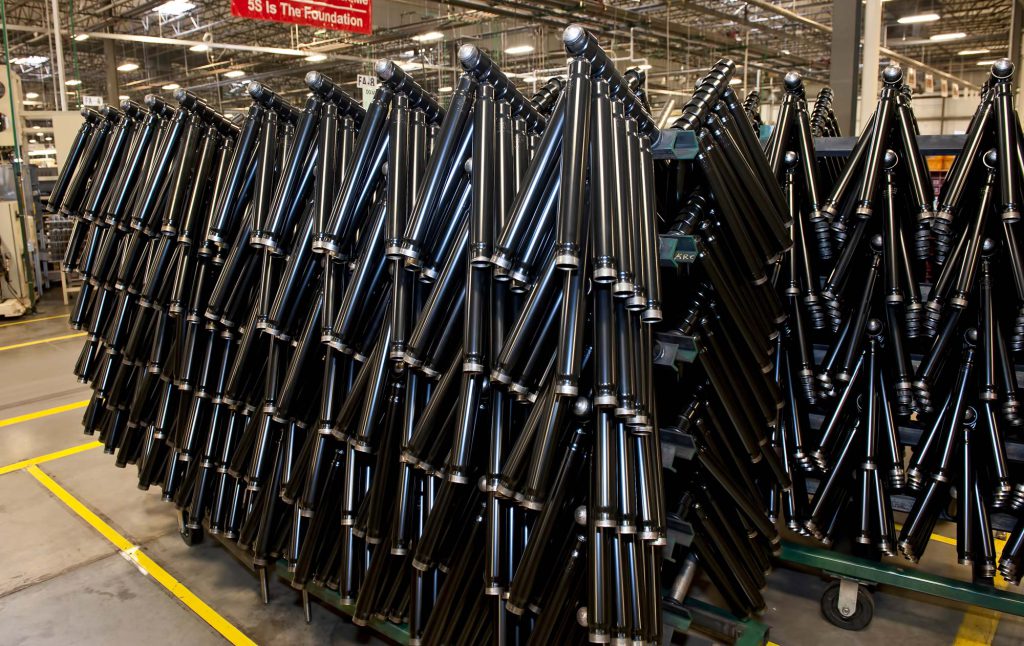
Here are the basics on how shocks and struts work to keep tires firmly on the road:
The main job of shock absorbers is to help keep a vehicle’s tires firmly planted on the road so the vehicle can stop and turn safely. They also help maintain vehicle control and ride comfort. While we call them “shock absorbers,” it’s actually more the job of a vehicle’s springs to absorb the shocks from bumps and potholes. Shocks dampen the spring’s rebound, preventing the wheels from continuously bouncing, and that’s what helps keep the tires in contact with the road. Shocks also limit body roll during cornering and reduce ‘nose-dive’ when braking or squatting during acceleration.
Struts perform the same function as shocks, but they are an integrated assembly that is a structural part of the suspension. Each of a vehicle’s wheels has either a shock or a strut connected to that corner’s suspension and vehicle body or frame.
Shocks and struts both use hydraulic cylinders that provide motion damping by restricting fluid flow through a series of internal valves. As the wheel and body move up and down, the shock valving slows and stabilizes the movements.
When shocks and struts are working well, the vehicle maintains traction on the road and has optimal stability in every driving condition – stopping, turning, swerving, over bumps, and in potholes.
Which KYB shocks and struts are right for the way you drive? Find out here.
What happens if your shocks are worn out?
If shocks are worn, they can’t keep the tires planted firmly on the road as they should. The tires bounce up and down more after each bump. Because there’s less contact between the tire and the road, braking distance increases, and steering is less precise. Ride comfort is lost, and overall vehicle control is lessened. Modern safety systems, such as ADAS and ESC, rely on having good contact between the tires and the road. When shocks are worn, these systems can’t function as intended, reducing overall driving safety.
[Show animation of good vs worn suspension]
Additional content from:
Shocks & Struts 101
FAQs
Find answers to common questions about KYB shocks, struts, installation, and suspension performance. Our FAQ section helps you quickly get the information you need to choose and maintain the right ride control products.
For DIYers
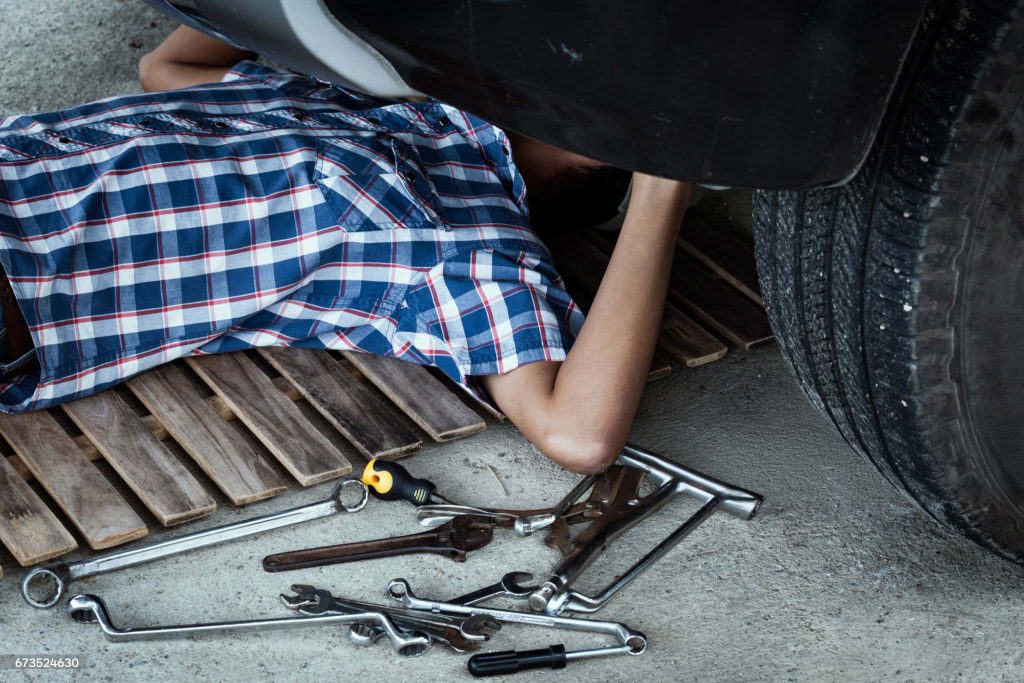
Resources, guides, and tips designed to help DIY enthusiasts choose, install, and maintain KYB shocks and struts with confidence.

For Drivers
Helpful information for everyday drivers looking to understand suspension performance, ride control, and when to replace shocks and struts.

For Service Pros
Technical resources, product information, and support tools created specifically for automotive service professionals.
Reasons to replace your shocks
Drivers often ask, “What are the reasons to replace your shocks?” Here are the four most common conditions that result in shock and strut replacements Replacing failed shocks or struts: Shock or strut failures are a driving safety hazard because they limit your ability to safely control your vehicle. A failed shock or strut may:…